Insights on digital risk and
personal security
Digital risk is evolving quickly. For individuals and families with greater public presence, professional responsibility, or complex personal lives, digital exposure is often higher. The impact of a security incident can extend beyond inconvenience to affect privacy, reputation, and financial well-being.
%20(1).avif)
%20(1).png)
Featured articles
A small selection of articles that help readers stay informed about personal and executive digital risk.

Introduction
Anthropic's Claude Mythos is an advanced AI model currently available only to a select group of vetted technology companies, not the general public. While it holds significant promise as a defensive tool, capable of uncovering security flaws before criminals can exploit them, the same capabilities could be misused to lower the effort needed to exploit weaknesses in email, banking, and personal accounts.
For high-net-worth individuals, families, and executives managing significant assets, this increases the risk of targeted fraud, account takeovers, and financial loss, making strong cybersecurity practices more important than ever.
What's Mythos AI?
Claude Mythos is an advanced artificial intelligence model developed by Anthropic, the company behind the widely used Claude AI assistant. It can be thought of as a much more powerful version of AI tools that many people already use for daily tasks. Mythos goes far beyond earlier models, especially in areas such as complex reasoning, software analysis, and, most importantly, the ability to identify weaknesses in computer systems.
At this time, Mythos is not available to the general public. It is still going through testing and review and has only been released in a highly controlled way to a small number of trusted organizations. These include major technology and security companies such as Microsoft, Apple, Amazon, Cisco, and CrowdStrike. This limited release is intentional. Anthropic has stated that Mythos is powerful enough to cause serious harm if misused, so they have chosen to share it cautiously and with careful oversight.
Why's everyone talking about it?
There are two main reasons Mythos is receiving so much attention. The first is concern within the cybersecurity community. Mythos represents a major step forward in what AI can do when applied to computer systems. Security professionals worry that existing defense tools and practices have not yet caught up. There is also concern that criminals could use tools like Mythos to make cybercrime faster, cheaper, and easier to carry out.
The second reason is business momentum. Every major AI announcement attracts investors and increases public interest. This often raises the perceived value of companies such as Anthropic, OpenAI, and Google. As a result, Mythos has become not only a security issue, but also a financial and market-driven story.
It is important to understand that Mythos is not an isolated development. Other companies, including OpenAI and Google, have already released AI models with similar cybersecurity-related capabilities, though generally at a lower level. What makes Mythos different is how quickly and efficiently it operates, as well as Anthropic’s openness in discussing both its potential benefits and its risks.
How does this affect you?
Mythos does not create entirely new types of cyber threats. Instead, it significantly lowers the level of skill, knowledge, and time needed for attackers to exploit existing weaknesses. These weaknesses exist in the everyday technology we all rely on, including phones, laptops, email systems, and banking or investment applications.
Cyberattacks that once required a team of highly skilled hackers may soon be possible for a single individual using AI tools. For individuals and families with significant financial assets, sensitive personal communications, or access to influential networks, this increases risk. The most common and serious threats remain personal email compromise, fraudulent wire transfers, and targeted account takeovers.
How you can keep safe
Regularly review your digital access points
Make sure all important accounts, such as banking, email, and investment platforms, use strong, unique passwords, and enable multi-factor authentication wherever it is available. In addition, use credit monitoring services to help detect fraud, unauthorized accounts, or identity misuse as early as possible.
Be cautious with unexpected messages
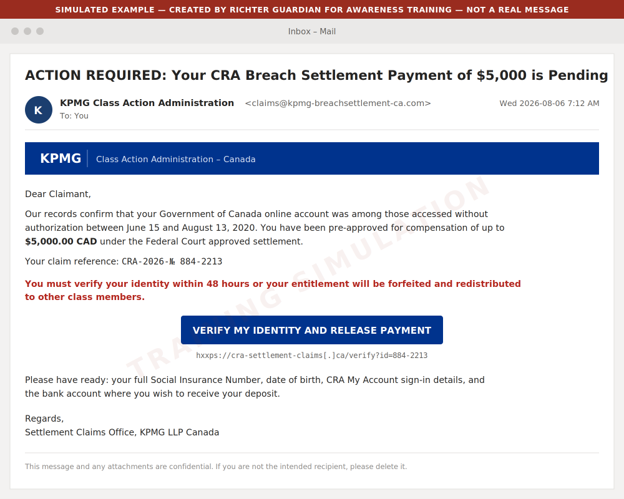
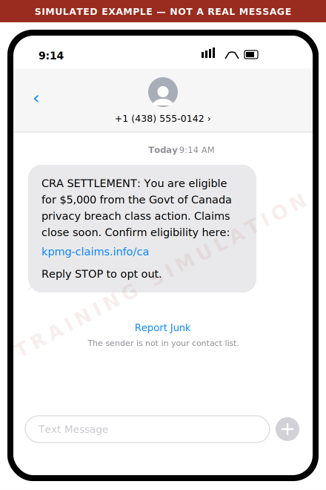
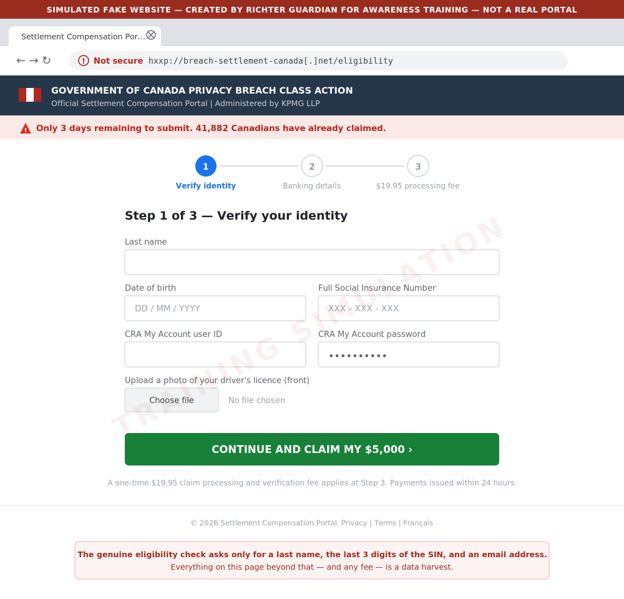
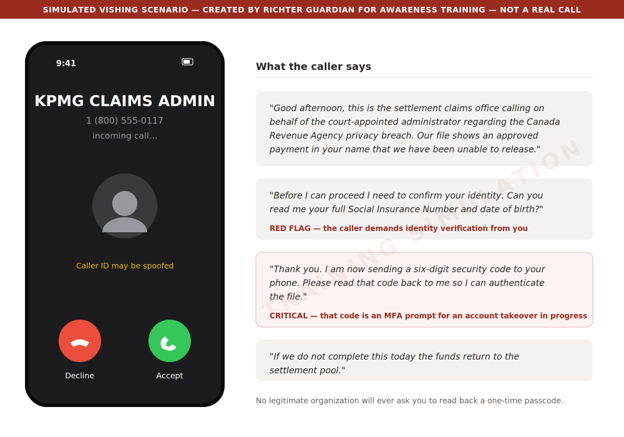
AI can now generate very realistic phishing emails, texts, and phone messages. If something seems unusual or urgent, verify it through a separate and trusted method before taking action.
Confirm your advisors are prepared
Organizations that manage your assets should be reviewing and strengthening their cybersecurity controls, including how sensitive data is protected and how fraud risks are managed.
Richter Family Office supports high‑net‑worth families and executives by integrating cybersecurity and risk considerations into wealth management, governance, and operational oversight.
Contact us with any concerns
Richter Guardian is actively monitoring developments related to Mythos AI and other emerging cyber risks. We will continue to share updated guidance as the situation evolves.
Please contact us immediately if you notice unusual account activity, suspicious communications, or unexpected requests involving sensitive or financial information.
Email support@richterguardian.com, phone +1 844-908-3950 or book an appointment.

Travelling and Social Media – How To Keep Safe
INTRODUCTION
It’s natural to want to capture the moments from your special vacations and share them on platforms like Facebook and Instagram with family and friends. However, posting these photos while you are still on your trip can expose you to various cybersecurity risks. Cybercriminals often exploit social media to gather information about your travel plans, and by sharing your vacation in real time, you may unknowingly make yourself a target.
HOW TO ENHANCE YOUR SECURITY ON VACATION
By following these precautions, you can enjoy your vacation while minimizing the risks associated with social media sharing:
- Set Your Account to Private: Restrict access to your personal information by sharing only with people you know. Public settings allow anyone to view your posts, potentially putting you at risk.
- Decline Requests from Unfamiliar Individuals: Be cautious when receiving friend requests from strangers. Unfamiliar profiles might be cybercriminals in disguise, aiming to extract money or steal your identity.
- Avoid Posting Travel Details or Itineraries: Keep your travel arrangements private. Sharing confirmation numbers for hotel reservations, airline tickets, or excursions online can provide cybercriminals with valuable information they can exploit.
- Share Photos After Returning Home: Although it may be tempting to post in real-time, consider waiting until you’re back home. You can still share your vacation highlights, and it’s a safer approach.
- Educate Your Children on Social Media Safety: While you might be aware of how to stay safe online, your children might not. Ensure they understand the importance of secure sharing practices during and after the trip.
HOW RICHTER GUARDIAN CAN HELP YOU
- Richter Guardian’s concierge service can help you secure your social media accounts during setup. Call us or send us an email at: +1 844-908-3950 or support@richterguardian.com if you need further guidance.

Unveiling the dark side of voice-cloning artifical intelligence
INTRODUCTION
Voice-cloning AI, which is the technology that enables the replication of a person’s voice, can assist researchers with collecting and analyzing data from different languages, dialects, and accents. Voice-cloning AI is versatile and finds applications in various creative domains.
voice-cloning artifical intelligence and small businesses with voice-cloning AI. Deep learning models can now replicate the nuances, inflections, and specific characteristics of a person’s voice with just a few minutes of sample media.
IMPLICATIONS FOR FAMILIES AND SMALL BUSINESSES
While there are positive and creative uses for voice-cloning AI, it is important to be aware of the potential risks and misuse. Here are some ways in which voice-cloning AI could lead to cybercriminal activity:
- Impersonation and Social Engineering: Cybercriminals could use voice-cloning AI to mimic the voices of individuals in positions of authority, such as company executives. In doing so, cybercriminals could instruct employees into making unauthorized transactions.
- Phishing Attacks: Voice-cloning could be used to voice-phish; individuals can be deceived into sharing sensitive information over a call.
- Extortion and Blackmail: Cybercriminals may leverage voice-cloning to create audio deepfakes of the targeted individual for the purpose of extortion or blackmail.
RECOMMENDATIONS
Given the sophistication of these threats, Richter recommends individuals and businesses to safeguard themselves by employing the following:
- Multi-factor authentication (MFA) – If you currently use voice verification as a type of authentication, ensure to include another form of verification to help safeguard against voice-cloning AI.
- Establish protocol within your small-business – Set clear protocols for financial transactions and sensitive data sharing. Keep these protocols confidential.
- Remain skeptical – Individuals should exercise caution when receiving unexpected calls, especially if the caller requests sensitive information.
Latest articles
New articles and updates from the Richter Guardian team.

Navigating the Terrain of synthetic and traditional theft scams
INTRODUCTION
In an increasingly interconnected digital world, safeguarding personal and financial information has never been more crucial. Cybercriminals can exploit stolen identity information to commit financial fraud, gain unauthorized access to accounts, and engage in other criminal activities. In the context of identity theft – there is both synthetic identity theft and traditional identity theft.
Synthetic identity theft combines personally identifiable information (PII) to manufacture a person or entity for the use of illegal, nefarious activity.
Traditional identity theft involves stealing an individual’s existing personal data to impersonate them.
Alternatively, synthetic identity theft involves criminals obtaining small fragments of a real person’s identity to fabricate a completely new identity. The real elements of the fabricated individual adds a sense of legitimacy to the identity.
PREVENTING IDENTITY THEFT OF ALL KINDS
Protecting yourself from identity theft, fraud, and unauthorized access to your sensitive data is our responsibility. Below, we have compiled a comprehensive list of security measures and best practices to help you fortify your defenses against potential threats.
By following these guidelines, you can take proactive steps to enhance your security and financial well-being. From monitoring your credit report to secure document disposal, each suggestion in this list is designed to empower you with the knowledge and tools to protect your valuable information and minimize the risks associated with identity theft and fraud.
- Monitor Your Credit Report: Regularly monitor your credit report to detect any unauthorized activity. If you come across information unrelated to you, contact the creditor and inquire about the account or inquiry.
- Limit What You Carry: Avoid carrying additional credit cards, birth certificates, SIN cards, or passports in your wallet or purse unless absolutely necessary. This precaution reduces the amount of information a potential thief could access if your wallet or purse gets lost.
- Secure Your Mailbox: Consider installing a mailbox with a lock at your residence to minimize the risk of mail theft.
- Securely Dispose: Never dispose of credit card receipts or personal information documents in a public trash container; use a shredder instead.
- Secure Your Purse or Wallet: Never leave your purse or wallet unattended, whether at work or in places like churches, restaurants, fitness clubs, parties, or shopping carts. Also, avoid leaving your purse or wallet visible in your car, even if the vehicle is locked.
- Limit Your Credit: Limit the number of credit cards you possess and cancel inactive accounts to simplify your financial security.
- Be Careful of What you Disclose: Do not disclose your credit card, bank, or Social Insurance information over the phone, even if you initiated the call, unless you can confidently verify the call’s legitimacy
- Secure Receipts: Securely store and shred credit, debit, and ATM card receipts before disposing of them.
- Scrutinize Your Bills: Scrutinize your utility and subscription bills regularly to confirm the accuracy of the charges.
- Do Not Write Down Your Passwords (except in a Password Vault): Memorize your passwords and personal identification numbers (PINs) to eliminate the need to write them down or use a password vault. Remain vigilant when entering your PIN to ensure no one is observing you.
- Secure Your Information: Maintain a comprehensive list of all your credit and bank accounts in a secure location, such as a password vault. This will facilitate quick communication with issuers if your cards go missing, including providing account numbers, expiration dates, and customer service and fraud department contact numbers.
- Shred Pre-approved Credit Offers: Before discarding pre-approved credit offers, credit card receipts, or phone bills, tear them into small pieces or cross-cut shred them to prevent potential identity theft. Thieves can use such offers to apply for credit cards in your name and redirect them to their address.
- Keep Your Credit Information Accurate: According to consumer reporting legislation, if you believe any entry on your credit report is incorrect or incomplete, you can notify a major credit reporting bureau, which will verify the information at no charge. Remember that they typically do not accept disputes from third parties unless accompanied by a notarized power of attorney authorizing a licensed attorney or a family member to represent you or if the power of attorney is unlimited and irrevocable.

Apps and Location Tracking: What Are the Consequences?
INTRODUCTION
Of the many digital traces we leave in daily life, location metadata may be the most revealing. Location tracking is common in many applications because it’s so useful – it can allow you to get directions from here to there, discover the closest restaurants near you, or tell you your local weather conditions. These perks, however, can come with large privacy risks.
Companies that you would never suspect needing so much of your data, are quietly collecting enormous amounts of data. For example, in 2020, an investigation was done on Tim Hortons, as the Tim Hortons app reportedly tracked an individual’s location more than 2,700 times in five months. Commissioners say Tim Hortons collected “vast amounts” of granular location data with the aim of delivering targeted advertising, to better promote its coffee and associated products, but that it never actually used the data for this purpose.
Some of the apps on our phone sell or share location data about their users with companies that analyze the data and sell their insights. There are many ways location data can be used, and the market for this data is huge – the location data industry is an estimated $12 billion market. Collectors, aggregators, marketplaces, and location intelligence firms are potential buyers interested in your location data.
WHAT IS BEING COLLECTED?
Some apps genuinely need your location to work properly, but others have different motives. Many collect location data for reasons unrelated to their main function, like targeted ads or selling it to data brokers.
Once an app collects your location data, you lose control over where it goes. It can be sold repeatedly—from data providers to aggregators that combine information from multiple sources. It could end up in the hands of a “location intelligence” firm that uses the raw data to analyze foot traffic for retail shopping areas and the demographics associated with its visitors.
You might think, “I have nothing to hide.” But location data can reveal much more than you realize, such as:
- Where you get medical treatment and what kind
- If you visit a domestic abuse shelter
- Where you worship
- Where your kids play (if they have phones)
- When you’re on vacation and where you go
- Where you shop, eat, and bank
- Who you spend time with
Even though this data isn’t directly linked to your name, experts have shown that it’s easy to match location history with other data to identify people and their habits. In 2020, a religious publication used smartphone app data to infer the sexual orientation of a high-ranking Roman Catholic official. The publication claimed it obtained “commercially available” location data from an unnamed vendor and linked it to the priest’s phone, revealing visits to gay bars and private residences while using Grindr, a dating app popular with the LGBTQ+ community.
Privacy advocates have long cautioned that advertisers gather location and personal data, which is then compiled and sold by data brokers. This information can be used to identify individuals and is not subject to regulations requiring clear consent from those being tracked.
WHAT CAN I DO TO LIMIT LOCATION TRACKING?
The quickest and easiest way to reduce tracking is to delete unnecessary apps. Both Android and Apple allow you to check which apps have access to your location and whether they track it only while in use or all the time. If you don’t use an app often, consider removing it.
Your location can be tracked through your phone, logged-in accounts, internet connection, and location services. To limit oversharing, take these steps:
- Only allow location access for apps that truly need it.
- Set location permissions to “While Using the App” instead of “Always.”
- Only share “Find My Phone” with trusted friends and family.
- Review third-party apps in location settings—you might be sharing more than you realize.
Despite these precautions, location tracking can’t be completely eliminated. It’s important to support companies that provide clear and transparent privacy policies.
%20(1).png)
Have questions after reading?
If something you’ve read raises a concern, our team can help you understand how it applies to you. Richter Guardian provides ongoing monitoring and expert support for individuals, families, and leadership teams.
- Clear visibility into personal digital risk
- Guidance from experienced cybersecurity professionals
- Support designed for both private clients and enterprise leadership
%20(1).avif)
.png)